
I Am Not Your Perfect Mexican Daughter: Article Plan
This article will explore resources for accessing the novel in PDF format, detailing legitimate download options from platforms like Internet Archive and OverDrive.
We’ll also cover availability through libraries and ebook services, ensuring readers can legally enjoy Erika L. Sánchez’s impactful young adult work.
Overview of the Novel
I Am Not Your Perfect Mexican Daughter, penned by Erika L. Sánchez, is a powerful and critically acclaimed Young Adult novel published in 2022. The story centers around Julia, a teenager navigating the complexities of grief, cultural expectations, and self-discovery following the tragic death of her seemingly “perfect” older sister, Olga.
The narrative delves into the pressures faced by first-generation Mexican-American children, exploring themes of identity, family dynamics, and the often-conflicting expectations placed upon them. It’s a raw and honest portrayal of a young woman grappling with loss, mental health struggles, and the challenge of defining herself outside of her family’s ideals.
The novel has garnered significant attention for its authentic voice and relatable characters, earning recognition as a New York Times bestseller and receiving praise from figures like America Ferrera. It’s a story that resonates with readers seeking a nuanced exploration of the Mexican-American experience.
Plot Summary
The novel begins with the sudden death of Olga, perceived by her parents as the ideal Mexican-American daughter – obedient, high-achieving, and poised for success. Julia, in contrast, feels constantly inadequate and struggles to meet her mother’s expectations. Following Olga’s passing, Julia’s mother descends into grief, unable to connect with her surviving daughter.
As Julia navigates her grief, she uncovers secrets about Olga’s life that challenge the “perfect” image her family held. She begins therapy, confronting her own mental health struggles and questioning the cultural pressures that have shaped her identity. The story unfolds through Julia’s internal struggles, her attempts to connect with her friends, and her evolving relationship with her parents.
Ultimately, the plot centers on Julia’s journey towards self-acceptance and her realization that she doesn’t need to fit a predetermined mold to be worthy of love and respect. It’s a coming-of-age story marked by loss, resilience, and the search for authenticity.
Main Characters
Julia is the protagonist, a complex teenager grappling with grief, identity, and her mother’s disapproval. She’s portrayed as rebellious and outspoken, often clashing with her family’s traditional values. Her journey is one of self-discovery, as she learns to navigate her emotions and challenge societal expectations.
Olga, Julia’s deceased older sister, serves as a pivotal character, even in her absence. She is initially presented as the “perfect” daughter, but the narrative gradually reveals hidden layers to her personality and struggles. Her death profoundly impacts Julia and drives much of the plot’s emotional weight.
The supporting characters, including Julia’s parents and friends, play crucial roles in shaping her experiences. They represent the cultural context and the various pressures she faces as a Mexican-American teenager.
Julia
Julia is a fiercely independent and often misunderstood teenager, struggling to cope with the recent loss of her seemingly perfect sister, Olga. She feels immense pressure from her mother to embody Olga’s idealized image, leading to constant conflict and feelings of inadequacy.
Throughout the novel, Julia navigates a complex emotional landscape, battling grief, depression, and a sense of alienation. She’s portrayed as rebellious, often engaging in risky behaviors as a way to cope with her pain and assert her individuality.
Her character arc centers on self-discovery and acceptance, as she learns to embrace her imperfections and challenge the expectations placed upon her. Julia’s journey is marked by vulnerability, resilience, and a search for her own identity.
Olga (Julia’s Sister)
Olga is presented initially as the “perfect” daughter, embodying the expectations of their mother and the Mexican-American community. She is diligent, responsible, and seemingly without flaws, a stark contrast to Julia’s more rebellious nature.
However, the novel gradually reveals a more nuanced portrait of Olga, hinting at hidden struggles and complexities beneath her polished exterior. Her sudden death profoundly impacts Julia and serves as the catalyst for the story’s central conflicts.
Through flashbacks and Julia’s memories, readers learn about Olga’s own internal battles and the pressures she faced. She represents the weight of cultural expectations and the sacrifices made to maintain a facade of perfection.
Themes Explored
The novel powerfully explores the multifaceted experience of grief and loss, specifically focusing on the complicated aftermath of a sibling’s death and the varying ways family members cope. It delves into the guilt, anger, and confusion that accompany such a tragedy.
Central to the narrative is the examination of cultural identity and expectations, particularly within a Mexican-American family. The story highlights the pressures to conform to traditional roles and the challenges of navigating two cultures.
Furthermore, the book tackles the complexities of family dynamics, mental health struggles, and the search for self-discovery amidst societal pressures. It’s a poignant exploration of what it means to be a daughter, a sister, and an individual.
Grief and Loss
The profound impact of Olga’s death permeates every aspect of Julia’s life, shaping her actions and internal struggles. The novel doesn’t shy away from portraying the messy, non-linear nature of grief, showcasing how it manifests differently for each family member.
Julia grapples with survivor’s guilt, questioning why she was spared while her “perfect” sister was taken. This internal conflict fuels her rebellious behavior and her attempts to understand Olga’s hidden life.
The story illustrates how grief can disrupt family dynamics, creating rifts and misunderstandings; It explores the challenges of communicating emotions and finding healthy ways to cope with such a devastating loss, ultimately emphasizing the importance of acknowledging pain.
Cultural Identity and Expectations
The novel powerfully examines the pressures faced by first-generation Mexican-American teenagers, navigating the expectations of their parents and the broader American culture. Julia feels torn between honoring her heritage and forging her own identity.
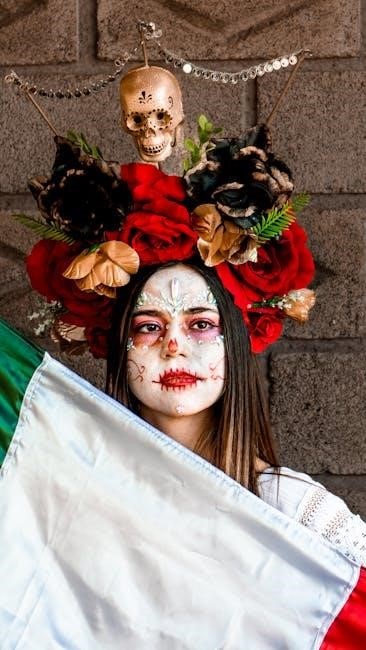
The concept of the “perfect Mexican daughter” is central, representing the idealized image her mother holds – a dutiful, obedient, and academically successful child; Julia’s struggles stem from her inability, and unwillingness, to conform to this rigid mold.
Sánchez explores the complexities of cultural assimilation, highlighting the sacrifices and compromises often made by immigrant families. The story delves into the challenges of maintaining traditions while adapting to a new environment, and the resulting intergenerational conflicts.
Setting and Context
The narrative is primarily set in Chicago, Illinois, a city with a significant Mexican-American population, providing a realistic backdrop for Julia’s experiences. The urban environment shapes her interactions and influences her understanding of the world.
The story unfolds within the confines of a working-class Mexican-American household, revealing the daily struggles and dynamics of family life. This intimate setting allows for a nuanced exploration of intergenerational trauma and cultural clashes.
The time period, contemporary to the novel’s 2022 publication, reflects current societal conversations surrounding identity, grief, and mental health. The context of a modern American high school further emphasizes the pressures faced by young adults.
Author Background: Erika L. Sánchez
Erika L. Sánchez is a celebrated Mexican-American author, poet, and essayist, known for her honest and poignant portrayals of the Latinx experience. Her work frequently delves into themes of identity, family, and the complexities of navigating cultural expectations.
Sánchez’s writing is often autobiographical, drawing from her own experiences growing up in Chicago as a first-generation American. This personal connection lends authenticity and emotional depth to her narratives, resonating with a wide audience.
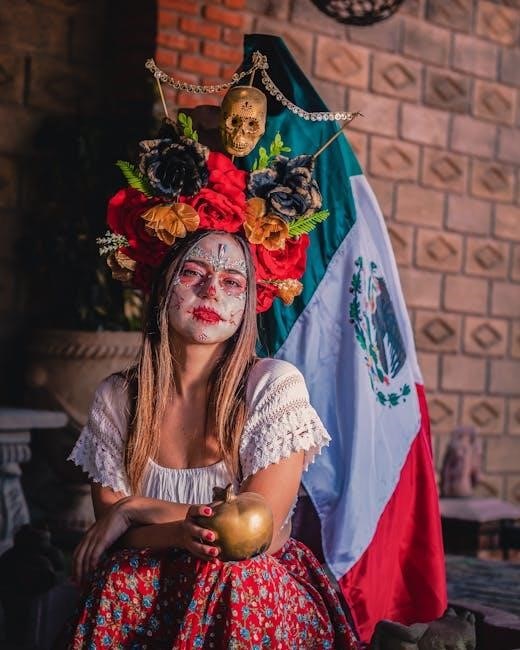
Prior to I Am Not Your Perfect Mexican Daughter, Sánchez published poetry and essays exploring similar themes. Her debut novel garnered critical acclaim and quickly became a New York Times bestseller, establishing her as a prominent voice in young adult literature.
Critical Reception and Awards
I Am Not Your Perfect Mexican Daughter received widespread critical acclaim upon its release in 2022, lauded for its raw honesty and compelling narrative. Reviewers consistently praised Sánchez’s ability to capture the complexities of grief, cultural identity, and familial relationships.
America Ferrera notably described the novel as “stunning,” highlighting its emotional impact and relatable themes. The book quickly ascended to the New York Times bestseller list, demonstrating its broad appeal and cultural relevance.
While specific award recognition details are not prominently featured in readily available sources, the novel’s success and positive reception firmly establish it as a significant contribution to young adult literature, sparking important conversations about the Mexican-American experience.
Target Audience and Genre
I Am Not Your Perfect Mexican Daughter is primarily categorized as a Young Adult (YA) novel, specifically geared towards teenage readers and those interested in coming-of-age stories. However, its mature themes and nuanced exploration of grief and identity resonate with a broader audience, including adults.
The novel blends elements of realistic fiction, family drama, and cultural exploration, offering a deeply personal and relatable narrative. It appeals to readers who enjoy stories that tackle difficult subjects with sensitivity and authenticity.
The book’s focus on the Mexican-American experience also makes it particularly relevant for readers seeking diverse representation in literature, providing a window into the challenges and triumphs of navigating two cultures.
Literary Style and Narrative Voice
Erika L. Sánchez employs a raw and honest first-person narrative voice, immersing the reader directly into Julia’s internal world. This intimate perspective allows for a profound exploration of her emotions, struggles, and evolving self-awareness.

The writing style is characterized by its gritty realism and unflinching portrayal of complex family dynamics. Sánchez doesn’t shy away from depicting the pain of grief, the pressures of cultural expectations, and the challenges of mental health.
The language is often colloquial and reflects the authentic voice of a Mexican-American teenager, adding to the novel’s sense of immediacy and relatability. The narrative is both vulnerable and fiercely independent, mirroring Julia’s own journey.
Key Symbols and Motifs
The “perfect Mexican daughter” archetype itself functions as a central symbol, representing the unattainable expectations placed upon Julia and her sister, Olga. This ideal embodies societal pressures and familial burdens.
Silence and unspoken truths are recurring motifs, highlighting the communication barriers within the family and the weight of secrets. These silences contribute to Julia’s feelings of isolation and confusion.
Chicago, as a setting, symbolizes the complexities of the Mexican-American experience, representing both opportunity and struggle. The city’s landscape mirrors Julia’s internal landscape – a blend of cultures and identities.
Clothing and appearance also serve as symbolic markers, reflecting Julia’s attempts to navigate her identity and assert her individuality against the backdrop of cultural norms.
The Role of Family Dynamics
Family dynamics are profoundly central to the narrative, particularly the complex relationship between Julia and her mother. The mother’s grief over Olga’s death heavily influences her interactions with Julia, creating a strained and often critical environment.
The absence of Olga casts a long shadow, shaping the family’s interactions and Julia’s sense of self. Julia feels pressured to fill the void left by her “perfect” sister, leading to internal conflict.
Communication breakdowns and cultural expectations contribute to the dysfunction, hindering genuine connection and understanding. The novel explores the challenges of navigating these dynamics within a Mexican-American household.
The portrayal of intergenerational trauma is also significant, revealing how past experiences impact present-day relationships and individual well-being within the family unit.

Mental Health Representation
The novel offers a raw and honest depiction of mental health struggles, specifically focusing on Julia’s experiences with depression and anxiety following her sister’s death. Sánchez doesn’t shy away from portraying the internal turmoil and emotional weight Julia carries.
The story highlights the stigma surrounding mental health within the Mexican-American community, and the challenges individuals face in seeking help; Julia’s reluctance to openly discuss her feelings stems from cultural pressures and a lack of understanding.
The narrative also touches upon the impact of grief on mental well-being, illustrating how unresolved trauma can manifest in various ways.
Furthermore, the book subtly explores the complexities of navigating therapy and finding effective coping mechanisms, offering a nuanced perspective on mental health care.
Cultural Representation of Mexican-American Experience
Erika L. Sánchez masterfully portrays the complexities of growing up as a first-generation Mexican-American, navigating the tension between two cultures and familial expectations. The novel authentically depicts the pressures to assimilate while honoring one’s heritage.
The story delves into the dynamics of a Mexican-American family, showcasing the importance of tradition, respect for elders, and the sacrifices parents make for their children. It also explores the challenges of intergenerational communication and cultural misunderstandings.
The author doesn’t shy away from addressing stereotypes and the burden of representation, highlighting the harmful expectations placed upon Mexican-American women to be “perfect.”
Through Julia’s experiences, the novel offers a nuanced and relatable portrayal of the Mexican-American experience, resonating with readers from similar backgrounds and fostering empathy among those unfamiliar with the culture.
Availability of the PDF Version
Finding a legitimate PDF version of “I Am Not Your Perfect Mexican Daughter” requires careful navigation. While readily available through various online sources, many may infringe on copyright.
The Internet Archive offers a digitally borrowed version, allowing access under their lending terms. OverDrive, a popular platform connecting users with library ebooks and audiobooks, frequently lists the title in digital formats, potentially including PDF.
Course Hero also hosts a downloadable PDF, though its legality and intended use should be verified. Random House Children’s Books, the publisher, does not directly offer a free PDF download on their website.
Readers should prioritize legal and ethical access methods, supporting the author and publisher while enjoying this impactful novel.
Where to Download the PDF Legally
For legal PDF access to “I Am Not Your Perfect Mexican Daughter,” several avenues exist. The Internet Archive provides borrowing options, adhering to their digital lending library policies – a reliable, though potentially waitlisted, source.
OverDrive is a key resource, connecting you to your local library’s digital collection. Check if your library offers the ebook in PDF format through this platform. Many public libraries subscribe to OverDrive, providing free access.

Be cautious of unofficial websites offering free downloads, as these often violate copyright laws. Prioritize established platforms like those mentioned above to support the author, Erika L. Sánchez, and the publisher.
Always verify the source’s legitimacy before downloading to ensure a safe and legal reading experience.
Discussion Questions and Book Club Potential
“I Am Not Your Perfect Mexican Daughter” sparks rich conversations, making it ideal for book clubs. Consider discussing Julia’s complex grief process and how it differs from her mother’s expectations.
Explore the pressures of cultural identity and the challenges of navigating two worlds – American and Mexican – as depicted in the novel. How does the story challenge stereotypes?
Analyze the impact of Olga’s death on the family dynamics and Julia’s self-discovery. What role does guilt play in Julia’s journey?
Discuss the novel’s portrayal of mental health and the importance of seeking help. How does Sánchez realistically represent these struggles?
The book’s accessibility as a PDF can facilitate wider participation in book club discussions.
Similar Books and Related Reads
Readers captivated by “I Am Not Your Perfect Mexican Daughter” may enjoy other young adult novels exploring themes of cultural identity, grief, and family expectations.
“The House on Mango Street” by Sandra Cisneros offers a poignant portrayal of a young Latina girl’s coming-of-age. “Aristotle and Dante Discover the Secrets of the Universe” by Benjamin Alire Sáenz delves into identity and self-discovery.

For those interested in stories about sisterhood and loss, consider “Everything, Everything” by Nicola Yoon. “Clap When You Land” by Elizabeth Acevedo explores the complexities of family secrets and cultural heritage.
Accessing these titles as PDFs through library services or ebook platforms expands reading options. Exploring diverse voices enriches the reading experience, complementing Sánchez’s powerful narrative.